
Innovative Rubbish Reduction Plans
In an era where the environment faces unprecedented pressures, innovative rubbish reduction plans have become more crucial than ever. Governments, organizations, and individuals are seeking creative and effective solutions to manage and minimize waste. This article delves into various pioneering approaches to rubbish reduction, highlighting successful strategies and their potential to reshape our interaction with waste.
Understanding the Scope of the Waste Problem
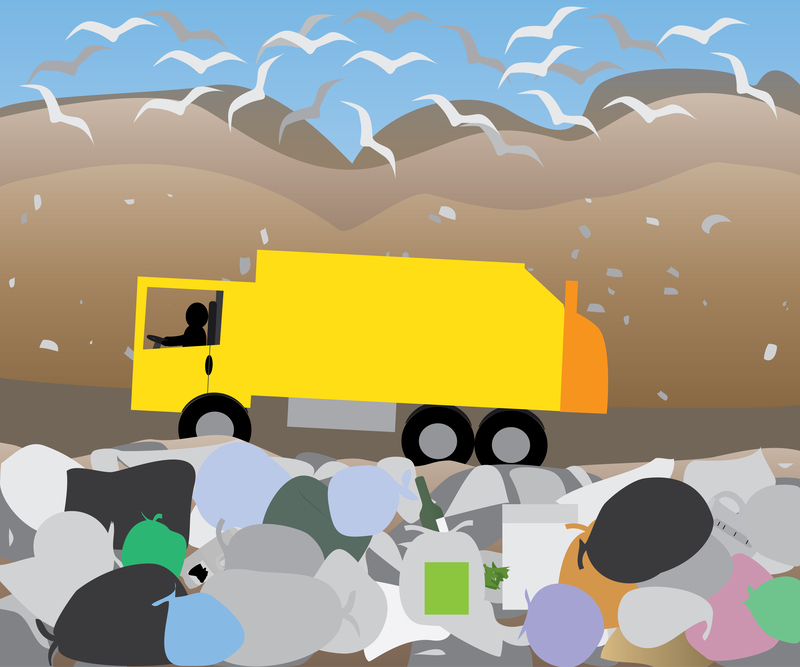
Before diving into innovative solutions, it's important to understand the complexity and scale of the waste problem. According to the World Bank, global waste is expected to reach 3.4 billion tonnes by 2050 if current trends persist. This not only has devastating environmental impacts but also economic and social repercussions. Landfills are overflowing, and marine ecosystems are choking on plastic. Waste management costs are skyrocketing, placing a significant burden on municipal budgets and taxpayer pockets.
The Three R's: Reduce, Reuse, Recycle
While the concepts of reducing, reusing, and recycling are not new, the implementation of these principles is evolving in innovative ways. Pioneering rubbish reduction plans often rely on these three pillars but take them to new heights through technology, policy, and community engagement.
Reduction
Reduction is the frontline strategy in waste management, aiming to cut waste generation at the source. To amplify this principle, many companies are adopting minimalistic packaging designs, while governments enforce stringent regulations on single-use plastics. Digital receipts and e-tickets are replacing paper transactions, reducing paper waste significantly. Moreover, the movement towards zero-waste lifestyle, supported by digital platforms, educates and encourages individuals to make sustainable choices.
Reuse
Reuse strategies are increasingly being facilitated by technology and innovation. Clothing and book swaps, facilitated by online marketplaces, allow individuals to exchange items instead of discarding them. Repair cafes are popping up globally, where community members come together to fix broken items, from electronics to clothing. Additionally, businesses are adopting circular economy models where products are designed to be reused or repurposed, drastically extending their lifecycle.
Recycling
Recycling continues to be an essential component of waste management, though it has seen significant advancements. Smart bins equipped with sensors sort waste more efficiently, while blockchain technology ensures transparent and traceable recycling processes. Furthermore, innovative recycling methods, such as chemical recycling for plastics, are breaking down materials at a molecular level to be reused in manufacturing, creating closed-loop systems.
Technological Innovations in Waste Management
Emerging technologies are playing a transformative role in waste management. From artificial intelligence and blockchain to advanced materials science, these innovations are providing robust solutions for rubbish reduction.
Artificial Intelligence and Machine Learning
AI and machine learning are revolutionizing waste sorting and processing. Robots equipped with computer vision can identify and sort materials with remarkable accuracy, reducing contamination rates in recycling streams. Smart waste management systems analyze data to predict waste generation trends, optimizing collection routes and schedules to minimize carbon footprints.
Blockchain Technology
Blockchain offers transparency and accountability in the waste management sector. By providing a tamper-proof ledger, it ensures the traceability of recycled materials from collection to processing, building trust among consumers and stakeholders. This technology also facilitates incentive programs where individuals are rewarded for their recycling efforts, encouraging higher participation rates.
Advanced Materials Science
Advanced materials science is paving the way for sustainable alternatives to traditional plastics and other non-biodegradable materials. Researchers are developing biodegradable polymers and innovative materials like mycelium-based packaging, which decomposes naturally. Additionally, companies are creating products from recycled ocean plastics, providing a market-driven solution to marine waste.
Community-Driven Initiatives
Community engagement is critical for the success of any rubbish reduction plan. Various grassroots initiatives are fostering a culture of sustainability, demonstrating that collective action can drive significant change.
Local Cleanup Campaigns
Local cleanup campaigns mobilize community members to clean streets, parks, and beaches, addressing litter at its source. These initiatives often partner with local governments and businesses, creating a collaborative approach to waste management. The visibility of these efforts also raises public awareness, inspiring broader participation.
Educational Programs
Educational programs in schools and communities lay the foundation for long-term behavioral change. These programs teach the importance of waste segregation, composting, and sustainable consumption. Interactive workshops and digital platforms make learning about waste management engaging and accessible to all age groups.
DIY and Upcycling Movements
The DIY (Do It Yourself) and upcycling movements encourage individuals to creatively repurpose waste materials. Online tutorials and social media communities provide endless inspiration for transforming old items into new, useful products. This not only reduces waste but also fosters a sense of accomplishment and environmental stewardship.
Policy and Legislation
Effective policy and legislation are essential to support and enforce rubbish reduction plans. Governments worldwide are implementing forward-thinking regulations to tackle waste at its root.
Single-Use Plastic Bans
Many countries and cities have introduced bans on single-use plastics, drastically reducing plastic pollution. These bans cover items such as plastic bags, straws, and cutlery, pushing consumers and businesses towards sustainable alternatives. The European Union's directive on single-use plastics is a prime example, aiming to cut plastic litter on beaches by 50% by 2030.
Extended Producer Responsibility (EPR)
Extended Producer Responsibility policies hold manufacturers accountable for the entire lifecycle of their products, including disposal. This incentivizes companies to design products with end-of-life in mind, encouraging recycling, and the use of sustainable materials. EPR programs have proven effective in managing electronic waste and packaging materials.
Waste-to-Energy Initiatives
Innovative waste-to-energy technologies convert non-recyclable waste into electricity, heat, or fuel, providing a dual benefit of waste reduction and energy production. Countries like Sweden and Japan are leaders in waste-to-energy solutions, significantly reducing reliance on landfills while contributing to energy needs.

The Future of Rubbish Reduction
The journey towards comprehensive rubbish reduction is ongoing and requires continual innovation and adaptation. Emerging trends such as the Internet of Things (IoT) in smart waste management, bio-based materials, and the integration of AI in policy enforcement hold promise for the future.
Smart Waste Management
IoT technology offers real-time monitoring and management of waste streams. Smart bins equipped with sensors notify collection services when they need emptying, optimizing routes and reducing emissions. Data collected from IoT devices also provides insights into waste generation patterns, enabling more effective planning and resource allocation.
Bio-Based Materials
Research into bio-based materials is delivering sustainable alternatives to traditional plastics and packaging. Innovations like plant-based polymers, algae-derived materials, and biodegradable composites are reducing dependence on fossil fuels and minimizing environmental impact. These materials not only decompose naturally but also offer comparable performance to their synthetic counterparts.
AI in Policy Enforcement
AI technologies are aiding in the enforcement of waste management policies. Automated systems can monitor compliance with regulations, identify illegal dumping, and even predict future waste management challenges. This proactive approach ensures that policies are effectively implemented and adapted as needed.
Conclusion
Innovative rubbish reduction plans are essential for addressing the mounting global waste crisis. Through a combination of technological innovation, community engagement, and effective policy, it is possible to create a sustainable future. It is incumbent upon all stakeholders - from governments and organizations to individuals - to embrace and champion these solutions. Only through collective action and continuous innovation can we hope to mitigate the environmental, economic, and social impacts of waste.