
Planning to Reduce Home Waste: A Comprehensive Guide
In today's environmentally-conscious world, we all understand the importance of reducing waste. Home waste reduction not only helps the environment but also can significantly cut down on household expenses. This article will provide an in-depth analysis of practical steps you can take to plan and reduce waste at home. From rethinking your shopping habits to understanding the benefits of recycling, this guide covers it all.
Understanding the Problem
Home waste consists of a variety of materials, including food, paper, plastics, glass, and more. According to the Environmental Protection Agency (EPA), the average American produces about 4.9 pounds of waste per day. A significant portion of this waste ends up in landfills, contributing to environmental degradation and greenhouse gas emissions.
Recognizing the problem is the first step toward developing effective strategies for waste reduction. By identifying the main sources of our waste, we can begin to address the issue more systematically.
Conducting a Waste Audit
A waste audit is an effective way to understand the type and amount of waste generated in your household. Here's how you can conduct a simple waste audit:
- Collect Your Waste: Over a week, collect all the waste generated in your home. Make sure to include trash, recycling, and compost.
- Sort Your Waste: Separate the waste into categories such as food scraps, plastics, paper, glass, and others.
- Analyze the Data: Weigh each category to understand which ones contribute the most to your household waste.
- Identify Patterns: Look for recurring themes. For example, you may find that a large portion of your waste comes from packaging materials.
Conducting a waste audit provides a clear picture of where you need to focus your efforts in waste reduction.
Rethinking Shopping Habits
One of the most effective ways to reduce waste is by rethinking your shopping habits. Here are some strategies:
Buy in Bulk
Purchasing items in bulk can significantly reduce packaging waste. Opt for stores that allow you to bring your own containers, which further cuts down on waste.
Choose Reusable Over Disposable
Invest in reusable products such as cloth bags, metal straws, and glass containers. These may have a higher initial cost but will save money and reduce waste in the long run.
Be Mindful of Expiration Dates
When buying perishable items, plan your meals in advance and buy only what you need. This reduces food waste, which is a significant contributor to household waste.
Recycling and Composting
Recycling and composting are two effective methods for diverting waste from landfills. Here's how you can effectively implement these strategies at home:
Create a Recycling Station
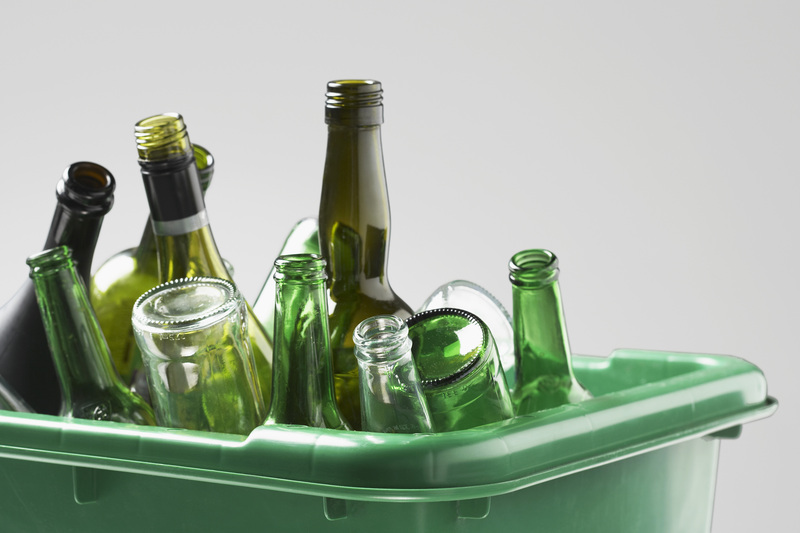
Set up a designated recycling station in your home where family members can easily separate recyclable materials. Make sure to label bins clearly for paper, plastic, glass, and metals.
Composting
Composting organic waste, such as food scraps and yard waste, can significantly reduce your household waste. You can either set up a composting bin in your backyard or use a composting service if available in your area.
Compost can then be used to enrich your garden soil, promoting sustainable gardening practices.
Reducing Food Waste
Food waste is a significant component of household waste. Here are some tips to reduce food waste effectively:
Plan Your Meals
By planning your meals for the week, you can create a shopping list that ensures you buy only what you need. This helps in reducing food waste.
Store Food Properly
Proper storage can extend the life of perishable items. Invest in quality containers and learn how to store different types of food to maximize their shelf life.
Get Creative with Leftovers
Instead of throwing away leftovers, get creative and use them in new dishes. There are numerous recipes available that can help you transform leftovers into delicious meals.
DIY Cleaning Products
Many commercial cleaning products come in single-use plastic containers, contributing to household waste. Making your own cleaning products is an effective way to reduce waste.
Here are some easy DIY cleaning recipes:
- All-Purpose Cleaner: Mix one part white vinegar with one part water in a reusable spray bottle. Add a few drops of essential oils for fragrance.
- Glass Cleaner: Combine two cups of water, half a cup of vinegar, and a quarter cup of rubbing alcohol in a spray bottle.
- Disinfectant Wipes: Cut an old T-shirt or cloth into small pieces. Soak them in a mixture of water, vinegar, and a few drops of tea tree oil. Store in an airtight container.
These homemade products are not only environmentally friendly but also cost-effective.
Engaging the Family
Reducing home waste is a collective effort and involving every member of the family is crucial. Here's how you can make everyone a part of the solution:
Educate and Involve
Educate family members about the importance of waste reduction and recycling. Assign roles to make sure everyone participates. For example, kids can be in charge of sorting recyclables.
Set Goals
Set achievable waste reduction goals and track progress. Celebrate small wins to keep everyone motivated.
Conclusion
Reducing home waste is an ongoing process that requires planning, commitment, and collective effort. By understanding the problem, conducting a waste audit, rethinking shopping habits, recycling, composting, reducing food waste, using DIY cleaning products, and engaging the family, you can make a significant impact. The benefits are immense--not just for the environment, but also for your pocket and overall well-being. So, take the first step today and make your home a waste-free haven.