
Recycling Polystyrene: Eco-Friendly Benefits
Polystyrene, commonly known as Styrofoam, is one of the most prevalent forms of plastic found in packaging and disposable food containers. Despite its widespread use, it poses significant environmental challenges due to its non-biodegradable nature. The effective recycling of polystyrene not only mitigates these adverse effects but also provides numerous eco-friendly benefits. This article explores the advantages of polystyrene recycling, the challenges involved, and the future of this essential practice.
The Environmental Impact of Polystyrene
Polystyrene is a petroleum-based plastic, which makes it highly durable and resistant to breakdown. However, these very properties are what make it problematic for the environment. Here are some key points of concern:
- Landfill Overflow: Polystyrene takes up a significant amount of space in landfills and can take hundreds to thousands of years to decompose.
- Marine Pollution: Polystyrene is one of the most common forms of marine debris, contributing to pollution and harming aquatic life.
- Toxicity: When polystyrene breaks down, it releases harmful chemicals that can leach into soil and water sources.
The enormous environmental footprint of polystyrene underscores the urgent need for effective recycling methods.
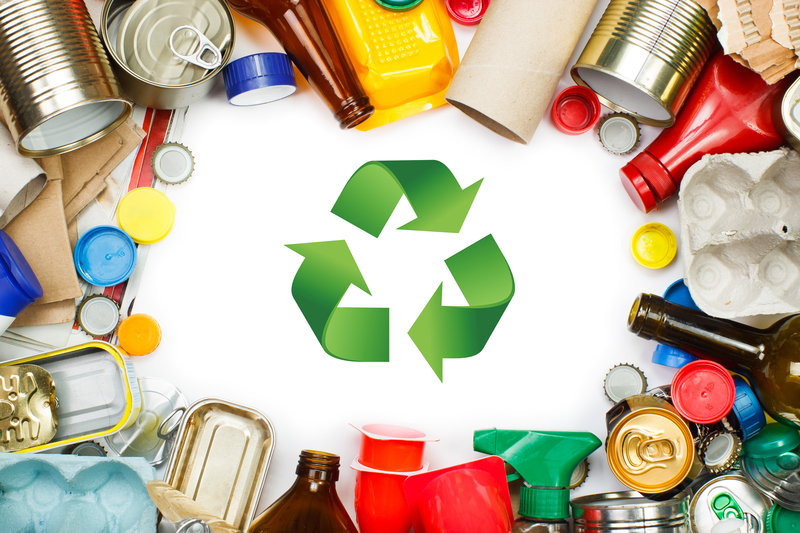
The Process of Recycling Polystyrene
The recycling of polystyrene involves several steps, each designed to restore the material to a reusable state:
1. Collection and Sorting
The first step is the collection of polystyrene waste from various sources such as households, businesses, and industrial sites. The collected materials are then sorted to remove contaminants and non-recyclable items.
2. Compaction
Polystyrene is often bulky but lightweight, making transportation inefficient. Compaction machines compress the material to reduce its volume, making it easier and more cost-effective to transport.
3. Shredding and Cleaning
The compressed polystyrene is shredded into smaller pieces, which are then cleaned to remove any impurities such as food residue or labels.
4. Melting and Reforming
The cleaned polystyrene is melted down and reformed into pellets. These pellets can be used as raw materials in the manufacturing of new products.
This systematic approach not only makes the recycling process efficient but also ensures the quality of the recycled material.
Eco-Friendly Benefits of Recycling Polystyrene
The recycling of polystyrene offers multiple environmental advantages, from reducing landfill waste to conserving natural resources. Here are some key benefits:
1. Reducing Landfill Waste
Recycling polystyrene significantly decreases the volume of waste that ends up in landfills. This not only conserves landfill space but also minimizes the associated environmental hazards such as leachate formation and methane emissions.
2. Energy Conservation
The production of new polystyrene from virgin materials is energy-intensive. Recycling polystyrene requires considerably less energy, thereby conserving fossil fuels and reducing greenhouse gas emissions.
3. Resource Conservation
Polystyrene is made from petroleum, a non-renewable resource. Recycling the material helps conserve these valuable resources by reducing the demand for new raw materials.
4. Pollution Reduction
Recycling polystyrene minimizes the likelihood of the material ending up in oceans and other ecosystems, thereby reducing pollution and its associated negative impacts on wildlife and human health.
Challenges in Polystyrene Recycling
Despite its eco-friendly benefits, polystyrene recycling faces several challenges:
1. Collection and Transportation Costs
The lightweight nature of polystyrene makes it costly to collect and transport. Specialized equipment is needed to compact the material for efficient transportation, adding to the overall cost.
2. Contamination
Polystyrene is often contaminated with food residue, liquids, and other materials. Contaminated polystyrene cannot be recycled and must be thoroughly cleaned before processing, which can be labor-intensive and costly.
3. Market Demand
The demand for recycled polystyrene can be inconsistent, affecting the viability of recycling programs. Manufacturers may prefer using virgin materials that are often cheaper and more consistent in quality.
The Future of Polystyrene Recycling
Innovative technologies and increased awareness are driving the future of polystyrene recycling. Here are some promising developments:
1. Advanced Recycling Technologies
New technologies such as chemical recycling are emerging, which can break down polystyrene into its basic monomers for reuse. These methods hold the promise of higher-quality recycled materials with minimal contamination.
2. Legislation and Policies
Governments around the world are implementing policies to promote recycling and reduce the use of non-recyclable materials. Regulatory measures can drive the adoption of recycling programs and provide the necessary infrastructure for efficient polystyrene recycling.
3. Corporate Responsibility
Companies are increasingly recognizing the importance of sustainable practices. Many are investing in recycling technologies and participating in take-back programs to ensure that their polystyrene products are responsibly recycled.
4. Consumer Awareness
Educating consumers about the benefits and methods of polystyrene recycling can increase participation in recycling programs. Simple actions such as cleaning and segregating polystyrene waste can have a significant impact on recycling rates.
Conclusion
Recycling polystyrene presents a viable solution to mitigate its environmental impact. Despite the challenges, the eco-friendly benefits such as reduced landfill waste, energy conservation, and pollution reduction make it a crucial practice for sustainable living. As technology advances and awareness grows, the future of polystyrene recycling looks promising. By taking collective action, we can ensure that this remarkable material is managed responsibly, preserving our environment for future generations.